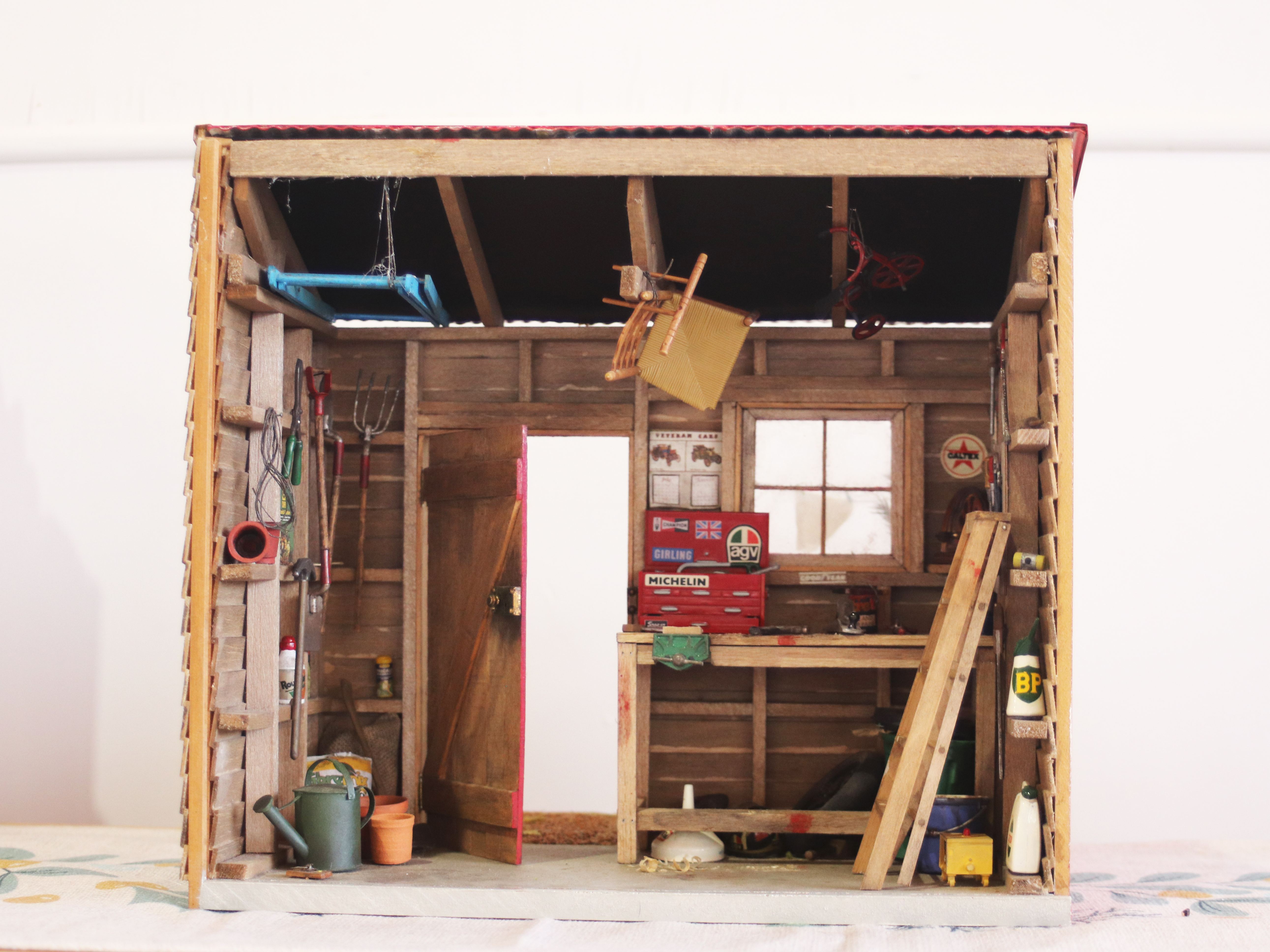
A brief history of miniature making
The history of miniature dollhouse making is a fascinating blend of artistry, craftsmanship, and social history, stretching back centuries
The earliest known miniature houses weren’t toys—they were display pieces for wealthy adults in Europe. They were essentially cabinet-style houses filled with intricately crafted miniatures to reflect the wealth and domestic ideals of their owners.
These were not meant for children but for displaying fine craftsmanship and social status.
A famous example: the Dollhouse of Petronella Oortman (late 1600s), now in the Rijksmuseum, Amsterdam.
The Industrial Revolution brought mass production and made dollhouses more accessible. They became toys for children, and often replicated popular architectural styles of the day. Georgian, Victorian and Edwardian are still popular styles for many miniature makers.
The 1930s also saw the standardization of dollhouse scales, especially the 1:12 scale (1 inch = 1 foot), which is still widely used today.
Dollhouses were now a staple toy in most households, especially with plastic now being a more common material used to make and furnish dollhouses.
Mid-century dollhouses began to also reflect the contemporary suburban styles rather than classic architectural designs.
A resurgence of interest in handcrafted miniatures emerged in the 1970s and 80s. Hobbyists, artisans, and collectors started making highly detailed, often 1:12 scale, pieces. The internet enabled a global community of collectors and miniaturists to share and sell their work on platforms like Etsy and Instagram
Today, miniature dollhouses are enjoyed by all ages whether as toys, a creative hobby or therapeutic practice. People of all ages enjoy seeing work on display and marveling at the details in the tiny worlds miniaturists aim to create.
In New Zealand, the NZ Association of Miniature Enthusiasts (NZAME) was established in the 1980s and has associated clubs throughout the country. Many kiwi miniaturists prefer to construct their own houses, shops, box rooms, furniture and accessories. We aren’t as content with collecting, although we do collect a lot of supplies, and creations! Whether you want to look, dabble, collect, create, or become an artist in miniatures, you will find a warm and friendly home in your local club.
Life is short.
Take the trip.
Eat the cake.
Start the dollhouse.
